In our modern age, the entertainment industry has become a ubiquitous presence, offering a vast array of media for our consumption. However, a closer examination reveals a troubling pattern – women are often held to a different standard than their male counterparts, with their stories and experiences frequently overlooked or marginalized. This article delves into the pervasive issue of misogyny within the entertainment landscape, shedding light on the systemic biases that continue to shape the industry's portrayal of women.
Uncovering the Unequal Treatment of Women in the Spotlight
The Disparity in Coverage: Agatha All Along and the Queer Narrative
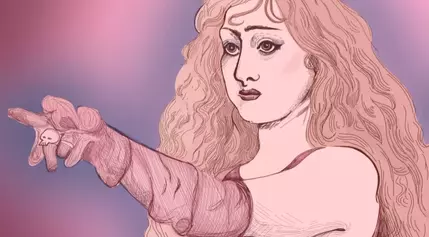
Marvel's latest television series, "Agatha All Along," has captivated audiences with its fresh and exciting take on the Marvel universe. The show's diverse cast, including well-known actresses, has been a significant draw, particularly the inclusion of openly queer characters. However, the media's coverage of these characters has been uneven, with more attention given to the male character, Billy Kaplan, than the female lead, Agatha Harkness, and her love interest, Rio. This disparity highlights the persistent tendency to prioritize male narratives over female ones, even in a progressive and inclusive project like "Agatha All Along."The Double Standard for Celebrities Advocating for Themselves
The entertainment industry's misogyny extends beyond the content itself, as evidenced by the treatment of female celebrities who speak up for themselves. Singer Chappell Roan, for instance, has faced intense scrutiny and criticism from the media for setting boundaries and advocating for her privacy. In contrast, when male celebrities, such as Kit Connor, have done the same, the media has been more sympathetic, emphasizing the importance of mental health and online etiquette. This double standard reveals the underlying bias that women are expected to be more accommodating, even when their boundaries are being violated.The Objectification and Ranking of Female Artists
The objectification of female artists is another manifestation of the entertainment industry's misogyny. A simple search for the names of female artists like Chappell Roan, Olivia Rodrigo, or Sabrina Carpenter on social media platforms often yields videos ranking them against other women in the industry. This practice reduces these artists to their physical attributes, undermining their talents and contributions. In contrast, male artists are rarely subjected to such reductive and dehumanizing treatment.The Scrutiny and Criticism of Female Celebrities' Behavior
The entertainment industry's misogyny also manifests in the disproportionate scrutiny and criticism directed at female celebrities for their behavior. Anne Hathaway, for example, faced backlash for refusing to sing her responses during a "Les Miserables" interview, an expectation that was not placed on her male counterparts. This double standard reinforces the notion that women in the entertainment industry must always be amicable, even when they are uncomfortable or asserting their boundaries.The Persistent Marginalization of Women's Stories
The entertainment industry's misogyny is further exemplified by the marginalization of women's stories, as seen in the coverage of "Agatha All Along." While the show features a diverse cast and explores the narratives of queer characters, the media has chosen to focus more on the male character, Billy Kaplan, than the female lead, Agatha Harkness, and her love interest, Rio. This selective coverage reflects a broader pattern of overlooking or downplaying the importance of women's stories and experiences within the entertainment landscape.In conclusion, the entertainment industry's deep-rooted misogyny is a pervasive issue that manifests in various ways, from the unequal treatment of female celebrities to the marginalization of women's stories and narratives. As we continue to consume and engage with the entertainment industry, it is crucial to recognize and challenge these systemic biases, paving the way for a more equitable and inclusive future.New
5.4K
323
138
Games
36.4K
2.9K
903
Games

9.8K
979
469
Games
5.1K
353
91
Games

31.9K
2.9K
747
Games

48.5K
2.9K
495
Games
26.3K
789
118
Games
14.7K
734
198
Games
16.3K
163
52
Games
23.6K
471
174
Entertainment
42.1K
2.9K
412
Entertainment

8.7K
782
336
Entertainment

36.6K
731
124
Entertainment
43.8K
3.5K
1.5K
Entertainment
33.7K
1K
424
Entertainment
25.4K
1K
427
Entertainment

25.2K
2.5K
504
Entertainment


7.3K
217
62
Entertainment